In this guide
- What is the weather like month by month?
- When is the driest stretch?
- What does hurricane season mean in practice?
- Is September a bargain or a mistake?
- When is Montego Bay busiest?
- When are the cruise ships in?
- How does rain change a river trip?
- When is the sea calmest for snorkelling?
- When does Reggae Sumfest take over the city?
- Which months suit families?
- Which month suits a first visit?
- What does a wet-season day actually feel like?
- What does the season do to the water itself?
- Is there a shoulder season worth targeting?
- What should you book ahead, and what can wait?
What is the weather like month by month?
Warm, then warmer. The north coast does not have a cold season; it has a drier half and a wetter one, and the difference between them is how often it rains rather than how hard.
| Months | Weather | Crowds | Prices | Best for |
|---|---|---|---|---|
| December–March | Driest and least humid | Peak | Highest | A first visit; anything on the water |
| April–June | Warm, occasional heavy showers | Moderate | Moderate | Rivers running full, fewer people |
| July–August | Hot and humid, afternoon showers | Busy again | Moderate to high | Family travel; Reggae Sumfest |
| September–October | Wettest, peak hurricane risk | Quietest | Lowest | Bargains, and flexible plans |
| November | Drying out, green and quiet | Building | Moderate | The knowledgeable traveller's month |
When is the driest stretch?
Roughly December to March. Humidity drops, showers become brief and occasional, and the sea settles — which matters more than the rain does, because it decides whether the catamaran days run comfortably.
It is also when everybody else comes, which is the trade-off in a sentence. Hotels are at their dearest, the popular departures fill, and the attractions east of the city carry the cruise traffic on top of the resort traffic.
None of that ruins anything — it simply means booking a few days ahead rather than the night before, and taking the later slot at the falls rather than racing the coaches to the gate.
What does hurricane season mean in practice?
The Atlantic season runs from June to November, with the highest risk from late August into October. In practice most weeks pass without incident and the effect on a given holiday is usually a wetter afternoon rather than a cancelled trip.
What it does mean is that flexibility has value. Every trip listed here refunds in full up to 24 hours before it runs, which turns an advance booking during the season into a free option rather than a commitment.
Is September a bargain or a mistake?
Both, depending on temperament. September is the quietest, cheapest, greenest month on the coast. Rivers run full, the countryside is spectacular, and attractions that queue in February do not.
It is also the wettest and carries the highest storm risk. If you want a guaranteed fortnight of sun, take February. If you want the island at its emptiest and are comfortable with a flexible plan, September rewards you more than any other month.
When is Montego Bay busiest?
Mid-December to mid-April is high season, with Christmas, New Year and the spring-break weeks the tightest. July and August bring a second wave, mostly families and returning Jamaicans.
Busy here means the popular attractions and the strip, not the countryside. The inland trips run at similar numbers all year.
When are the cruise ships in?
Ships call at Montego Bay and Falmouth through the winter season especially, and their arrivals bunch visitors into the middle of the morning at the eastern attractions.
If your trip reaches the falls in the early afternoon rather than racing to be first through the gate, you generally get a calmer visit. It is the single easiest adjustment to make and almost nobody makes it.
How does rain change a river trip?
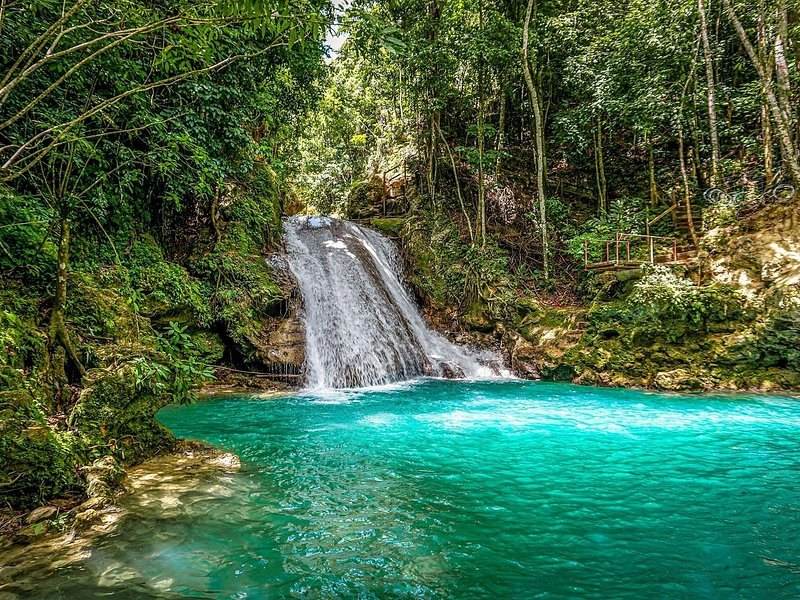
Barely. Rafting, tubing and the pools all involve getting wet by design, and a shower changes very little except the photographs. The jungle is at its best in the green months.
Heavy sustained rain is different: it can make inland roads slow and occasionally closes the swimming holes. That is when a trip gets rescheduled, and the operator offers another date or a full refund rather than driving you to something that is shut.
When is the sea calmest for snorkelling?
Generally the drier months, December to April, when the swell drops and visibility over the reef inside the marine park is at its best. Summer mornings are usually calm too, before the afternoon breeze builds.
Whenever you go, book the boat for the morning. Wind on this coast has a daily rhythm as well as a seasonal one.
When does Reggae Sumfest take over the city?
Montego Bay hosts Reggae Sumfest, the largest reggae festival in the world, and it usually falls in July. For that week the city is fuller, louder and more expensive, and hotels on the strip book out well ahead.
If the music is why you are coming, plan around it early. If it is not, the same week is a good one to be based slightly out of town and to spend your days inland. The Bob Marley and reggae page covers the rest of the year's music.
Which months suit families?
School holidays decide this more than weather does, and July and August work perfectly well here — hot, humid, with afternoon showers that clear. The river trips are at their most enjoyable in the heat.
If you have the choice, late April to early June is the quiet sweet spot: warm water, thinner crowds, and prices below the winter peak.
Which month suits a first visit?
February, if you want the postcard with certainty. November, if you would rather have the island to yourself and accept a little more cloud.
Both give you calm-enough seas for the boats, full-enough rivers for the rafting and comfortable temperatures for a full day out. Neither is the month everybody warns you about.
If the dates are fixed for you by school terms or work, do not overthink it. The difference between the best and worst months on this coast is a matter of how often it rains and how many other people are in the pool, not whether the trips run. They run all year.
What does a wet-season day actually feel like?
Not what northern visitors imagine. A typical wet-season day here starts bright, builds heat through the morning, and produces a heavy shower somewhere in the afternoon that lasts half an hour and clears.
On an excursion that means almost nothing. You are already in a river, on a boat or covered in mud from a trail; a shower is a change of temperature rather than a change of plan. Operators carry ponchos on the countryside trips for exactly this reason and hand them out without being asked.
What does change is the light and the landscape. The hills go a green that the dry months never manage, the waterfalls run harder, and the photographs are better. The trade-off is a wetter afternoon and a slightly higher chance of a rescheduled boat.
If you are choosing between a bright February and a green September, the honest split is this: February for certainty and the sea, September for the island at its most alive and half the people.
What does the season do to the water itself?
Three different bodies of water behave three different ways here, and the month affects each of them unequally.
The rivers run fullest in the wet months, which makes rafting and tubing better rather than worse — more current, greener banks, and the Martha Brae at its most photogenic. Only sustained heavy rain changes that, and then only for a day or two.
The inland pools are spring-fed and cold whatever the calendar says. They are at their most inviting in the hottest months, which is precisely when a cold plunge is the point.
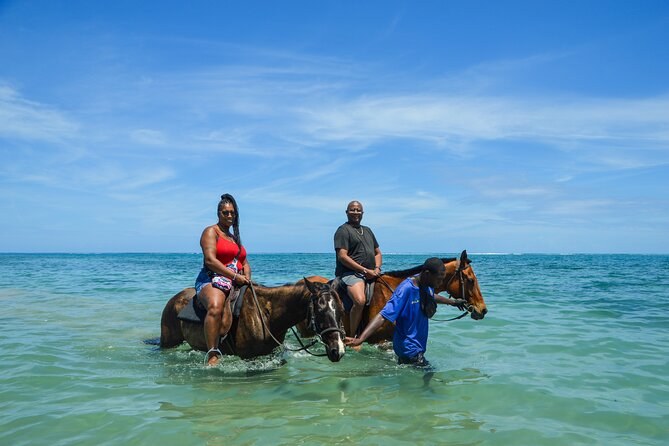
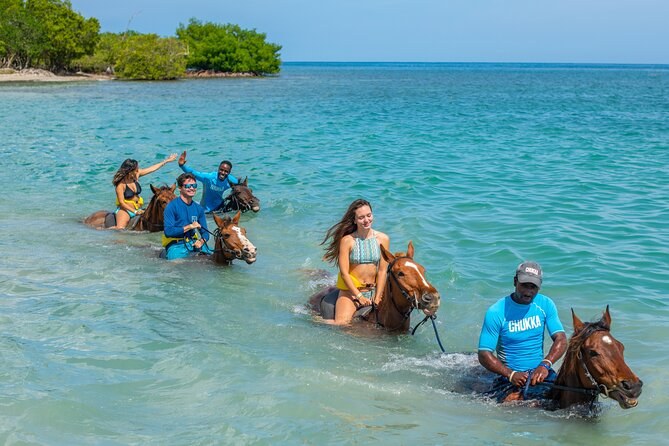
The sea is the seasonal one. Winter swell can make an afternoon on a catamaran bouncier than anybody wants, and it is the reason boat trips get moved more often than land ones. Book the boat for a morning and the odds improve considerably in any month.
Is there a shoulder season worth targeting?
Two of them, and they are the best-kept arithmetic on this coast.
Late April to early June. The winter crowds have gone, the wet season has not properly started, the sea is settled and prices have dropped from their peak. If you have flexibility, this is the window.
November. The storm risk falls away, the island is green from the wet months, and the Christmas rush has not begun. Attractions are quiet and the countryside looks like the photographs.
Both windows give you the same practical advantage: you can decide on the day. In February the popular trips need booking ahead; in May and November you can look at the sky over breakfast and book something for the same afternoon.
What should you book ahead, and what can wait?
- Book before you fly: the airport transfer, always.
- Book a week or two out in high season: the small-group river trips and anything private, which fill first.
- Book a few days out: the full-day combinations, which need minimum numbers and can be rescheduled on a thin date.
- Leave until you arrive: the adventure park pass and the catamarans, which have capacity most days.
In every case the 24-hour window means an early booking costs nothing, so the only real reason to wait is indecision about what your group wants.
Book for the conditions you will meet
Rivers in the green months, boats in the dry ones, and free cancellation up to 24 hours ahead whatever the forecast does.
When the sea is calm, the Montego Bay snorkeling tours are the ones to book first. The Montego Bay Jamaica Tours comparison table covers every trip, whichever month you travel.
Frequently asked questions
What is the cheapest month to visit Montego Bay?
Does it rain all day in the wet season?
Will a hurricane ruin my holiday?
When is the water warmest?
Is any month a write-off?
Trips shaped by the conditions
One for the dry months, one for the green ones, and a park pass that gives you a fallback whatever the sea is doing.